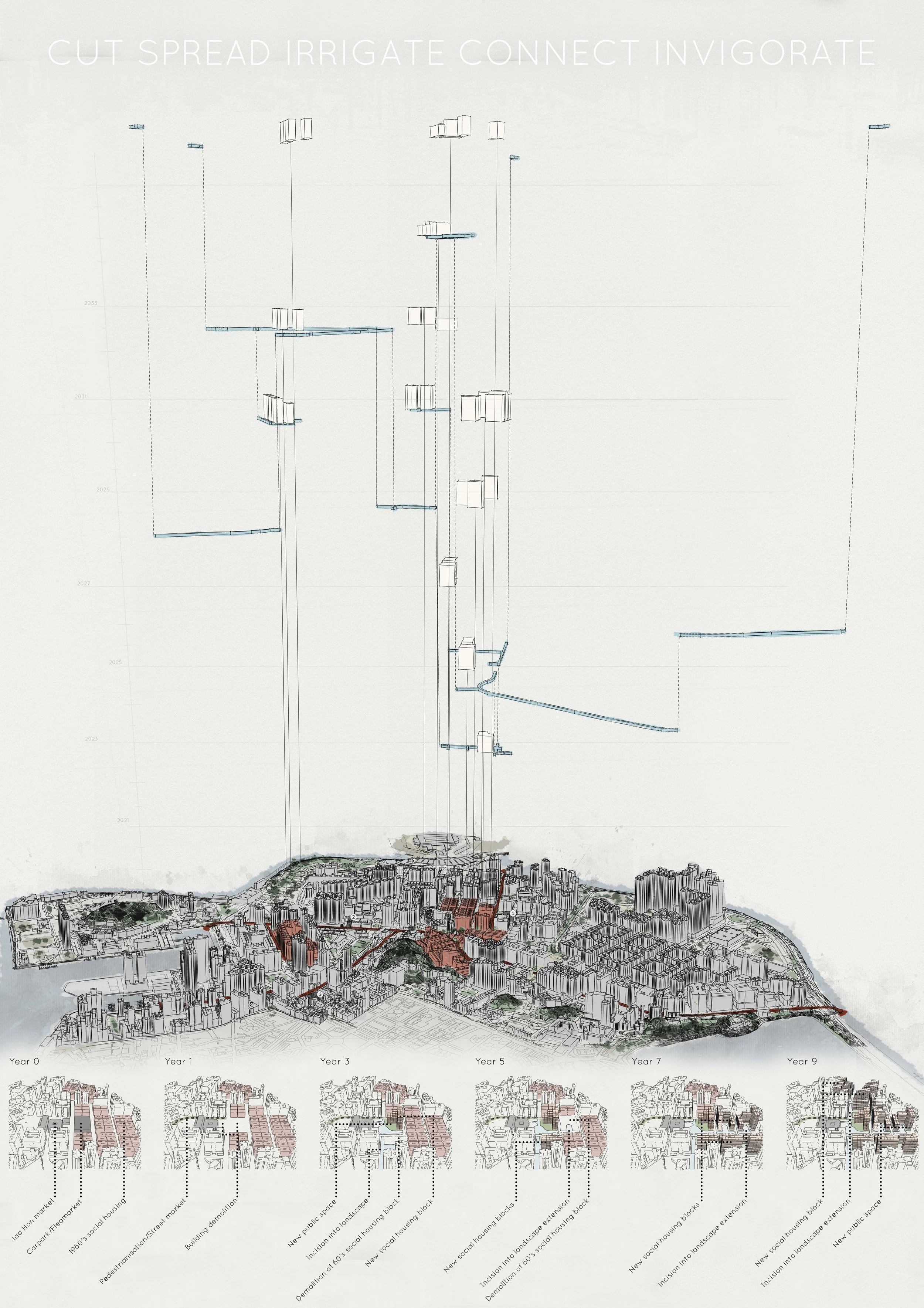
The tourist board of Macau is right to use its inherited assets in order to affect change in the urban fabric and bolster the economy; heritage, entertainment, and cultural attractions frame a distinct image and sustainable future for Macau.
This future however, must not outpace the areas of Macau that have grown out of the city’s need for a ‘back room’. Functional and densely packed areas such as lao Hon have - historically - been forgotten, isolated. It is their isolation and relatively cultural homogeneity however, that has created a set of micro-communities with an associated economic, social and cultural potential.
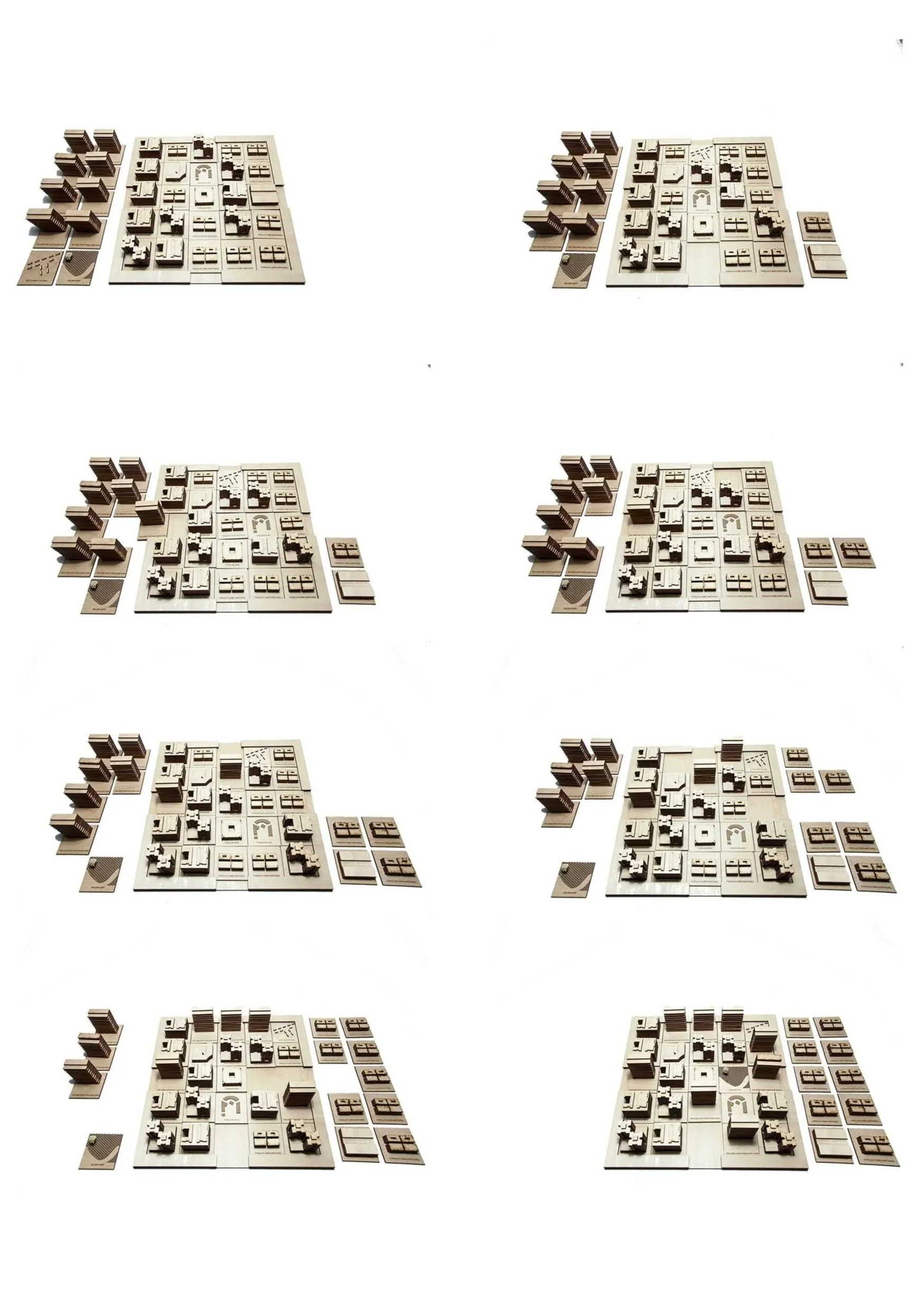
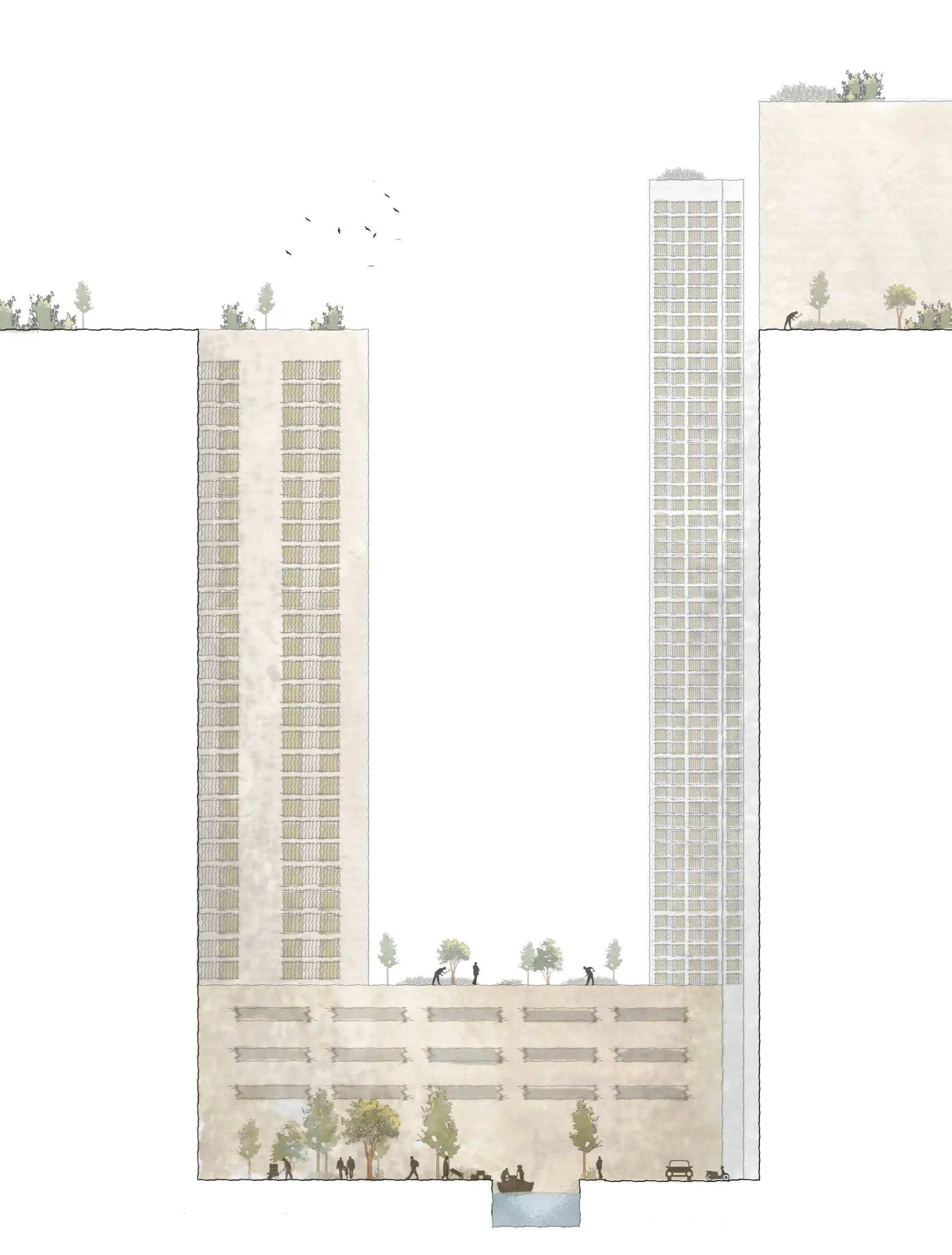
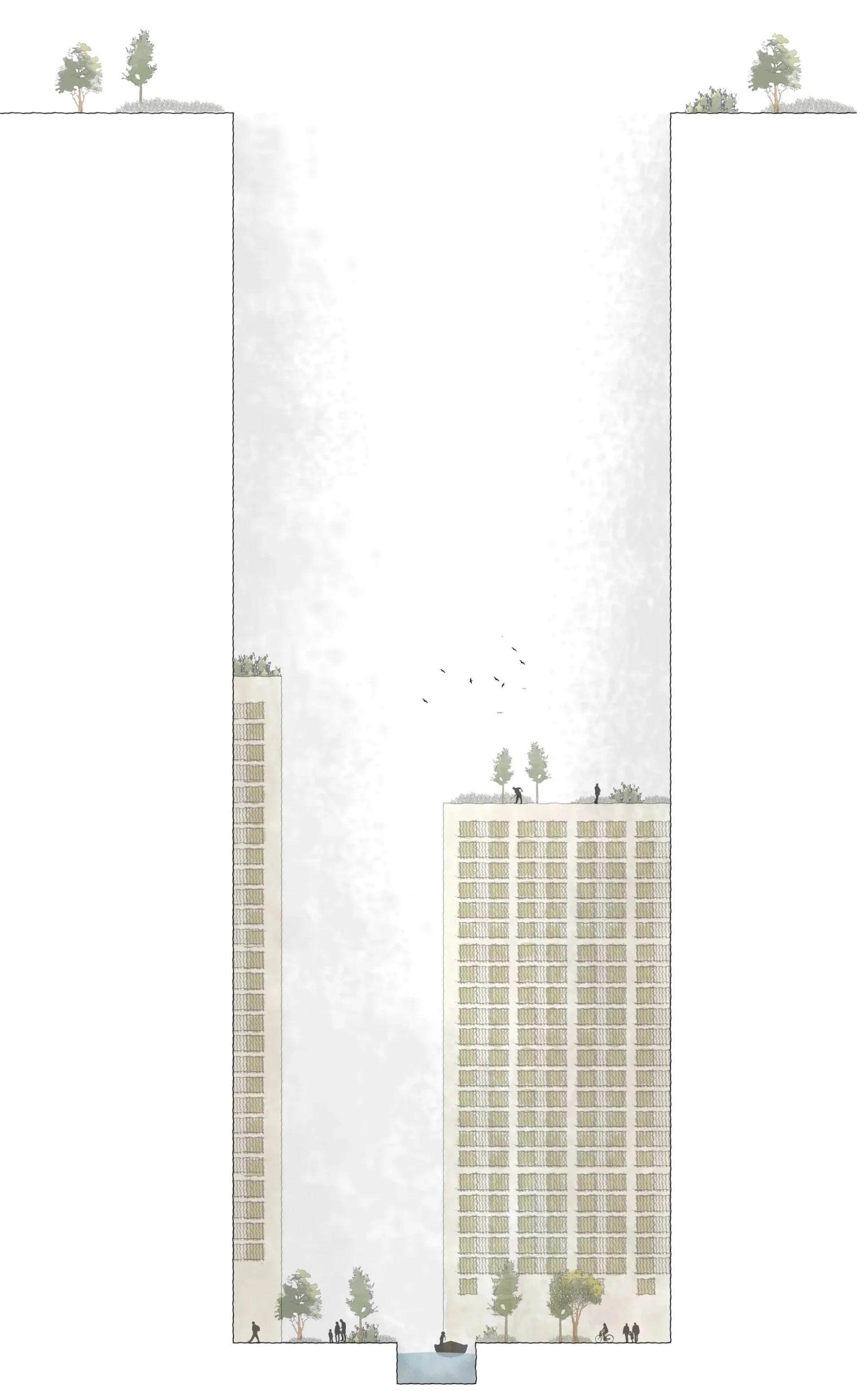
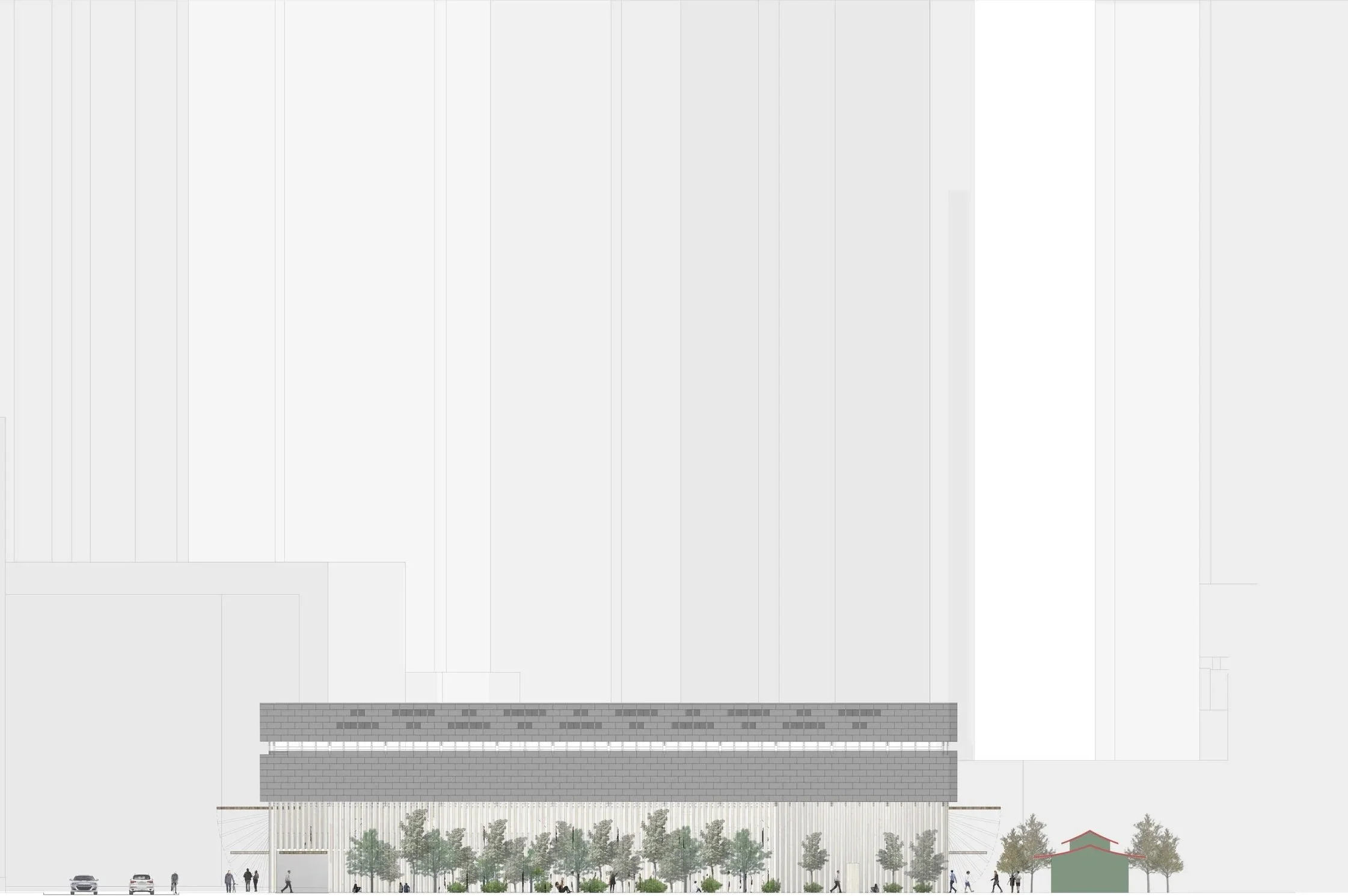
lao Hon can become the catalyst and centrepiece for a city-wide network of socio-economic connections. This network will consist of cuts through the urban fabric, breaking the dense and rigid precedent of cheap blocks and austere spaces. The rebuilding of these blocks will afford the city breathing space, a place to move, to work and to grow- the cuts (or canals) will provide the irrigation; moving people, goods and ideas between previously detached districts of the city. lao Hon’s future will not be as a back room, but as a place of dynamic multiplicity - an irrigated metropolis.
Irrigated Metropolis; Macao introspective
Master of Architecture, Year 2
Plymouth University
Location | Macau, China
Year | 2016