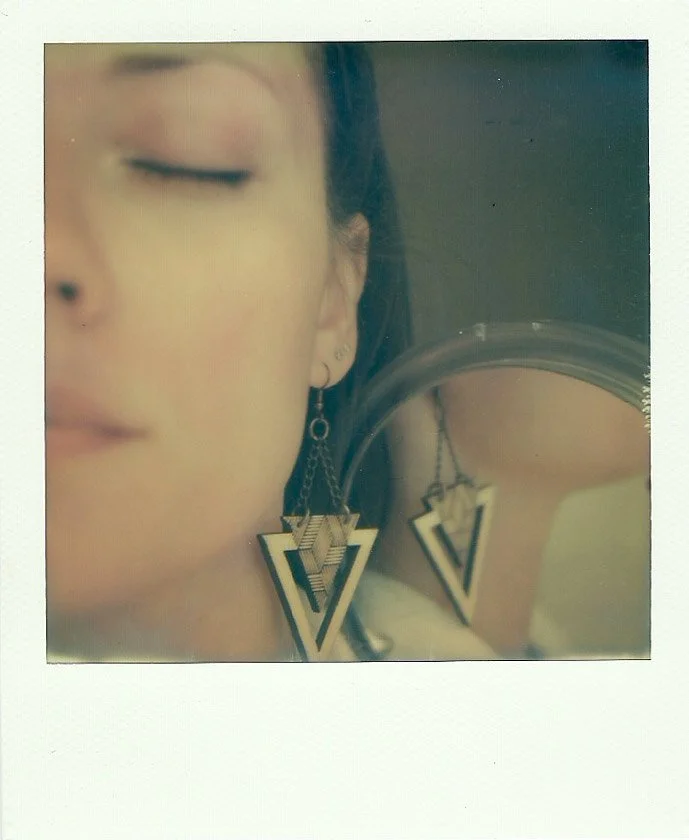
Objects of Form- Material Geometry
Status
Research / Prototype
Started
December 2014
Medium
Jewellery · Sculpture · Material Studies
Scale
Body → Object
Themes
Material transformation · Geometry · Structure · Identity · Presence
Project Statement
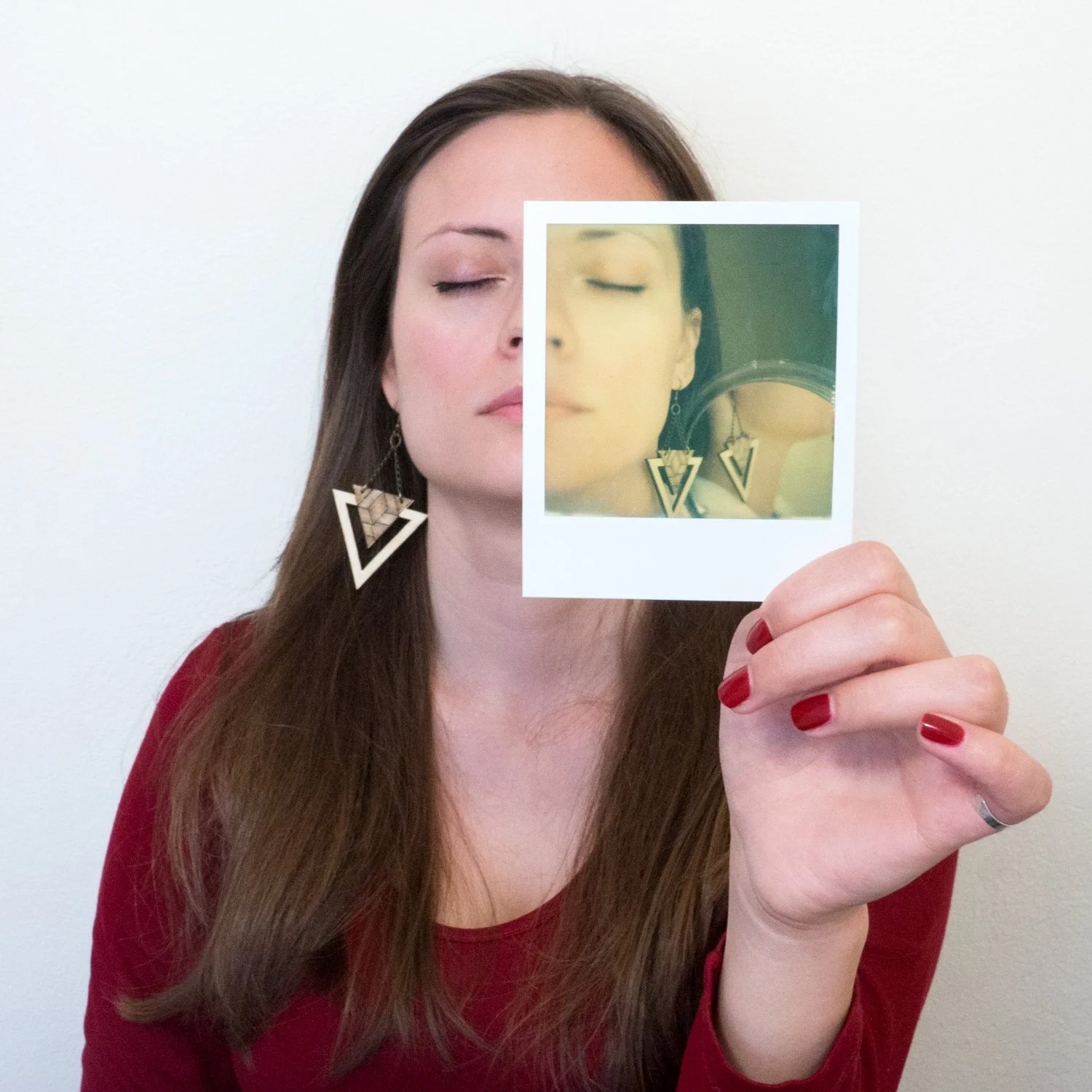
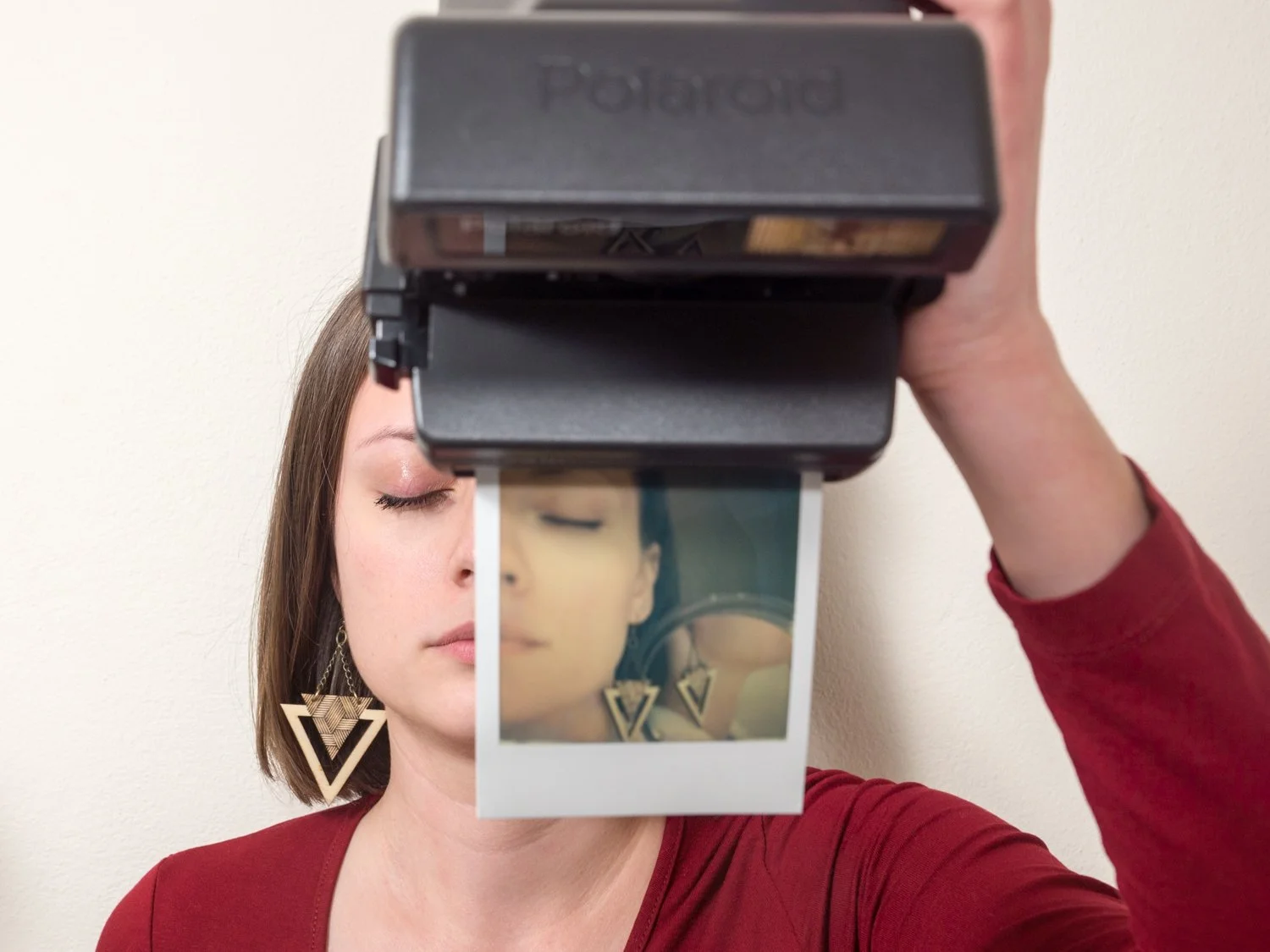
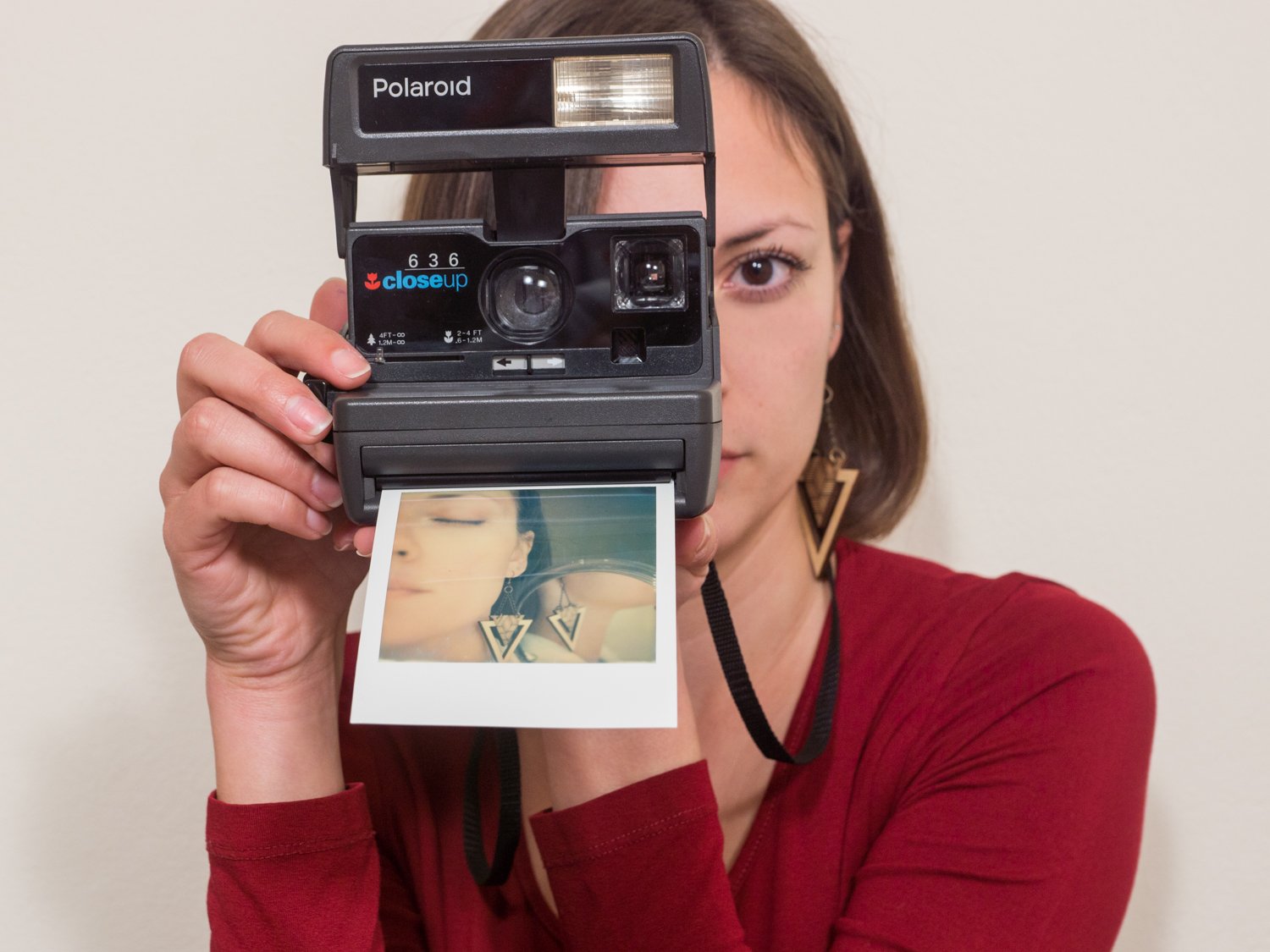
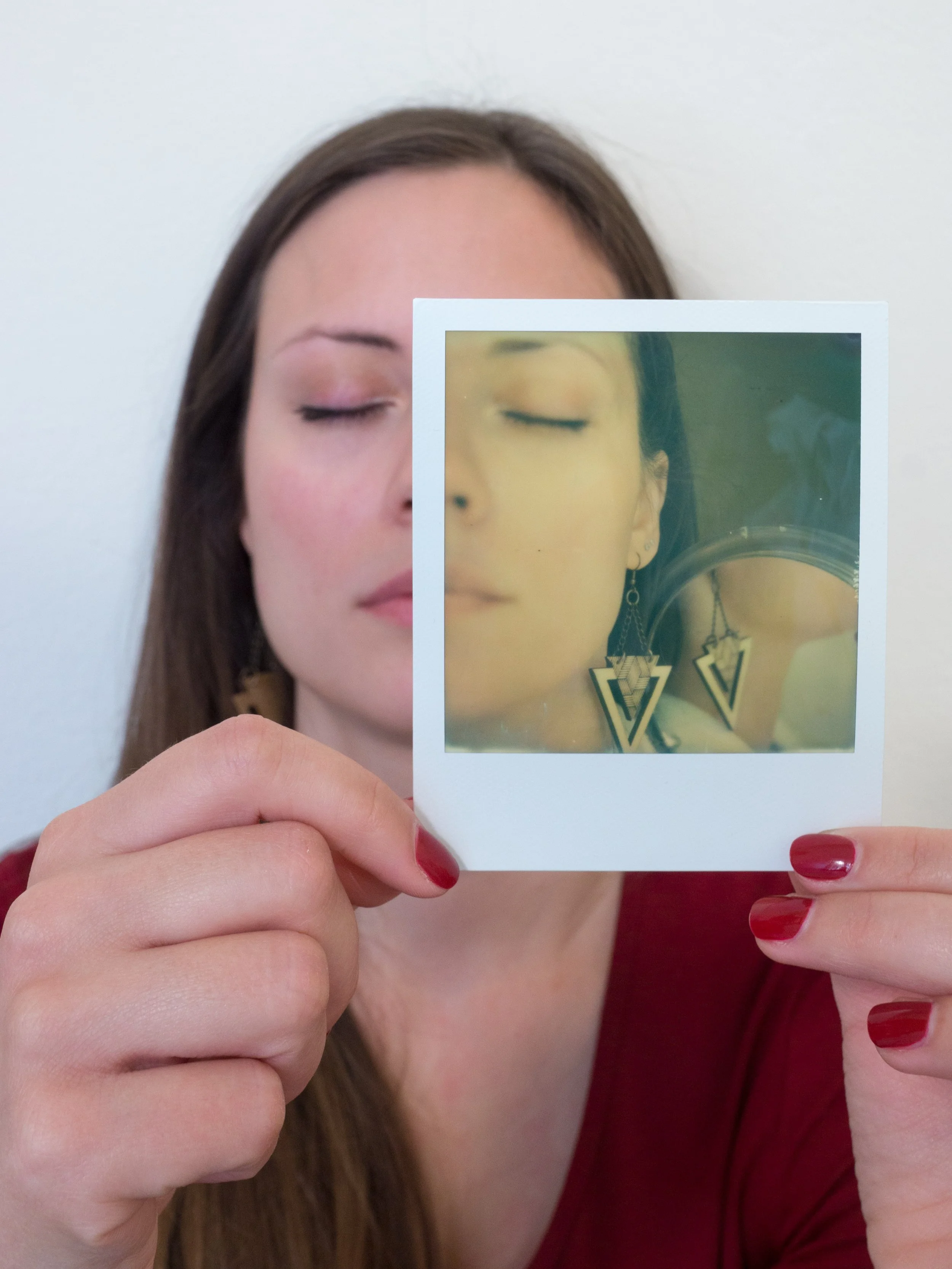
Objects of Form is an ongoing investigation into the relationship between architecture, material and the human body.
Beginning with an exploration of jewellery created from timber, the project evolved into a wider study of how materials can be transformed while retaining a sense of their original character and meaning.
The introduction of metal brought a new dialogue between strength and delicacy, permanence and change.
Through abstract geometry, sculptural form and material experimentation, the project explores how small scale objects can carry architectural qualities: structure, proportion, balance, weight and presence.
Rather than treating jewellery as decoration, Objects of Form approaches the worn object as a personal piece of architecture- a form that interacts with the body, identity and movement.
The project investigates how objects can communicate confidence, resilience and connection through their physical presence.
Origin:
The initial idea began with the question:
Can jewellery be created from the language of timber?
Timber represented:
growth
memory
warmth
natural processes
However, through exploration, the limitations and vulnerability of the material led to a transformation.
Metal introduced qualities of strength, permanence and durability while allowing the original idea of material memory to remain.
The project shifted from recreating timber to understanding the qualities that make materials meaningful.
Design Principles
1. Geometry
Forms begin with simple geometries:
circle
square
triangle
line
plane
volume
The aim is not simplicity for its own sake, but clarity of form.
2. Mass and Void
The relationship between what is present and what is absent.
Questions:
3. Material Honesty
The material should reveal itself.
Silver should not pretend to be something else.
Surfaces should communicate:
weight
texture
process
making
4. Human Presence
The object must not only be seen.
It must be:
worn
touched
experienced
lived with
Architecture References
Peter Zumthor — material atmosphere and sensory experience
Tadao Ando — geometry, light, abstraction
Carlo Scarpa — detail, craft, material transitions
Sculpture References
Barbara Hepworth — form, void, landscape
Isamu Noguchi — sculpture between art, landscape and object
Jewellery References
First Experiments
Experiment 01- Geometry
Question:
Can a simple geometric form create emotional presence?
Experiment 02- Scale
Question:
When does an object become jewellery versus sculpture?
Experiment 03- Material Translation
Question:
What qualities of timber can survive when translated into metal?
Potential Outcomes
A series of sculptural silver objects
Limited jewellery editions
A material research publication
An exhibition
A workshop exploring geometry and making
A teaching project
Reflection Questions
Does this object communicate strength?
Does it feel architectural?
Would someone want to wear it?
Does the material feel meaningful?
What emotion does the form create?